Home › Common Problems › Stamped Concrete Surface Spalling
Stamped Concrete Surface Spalling
in Asheville, NC
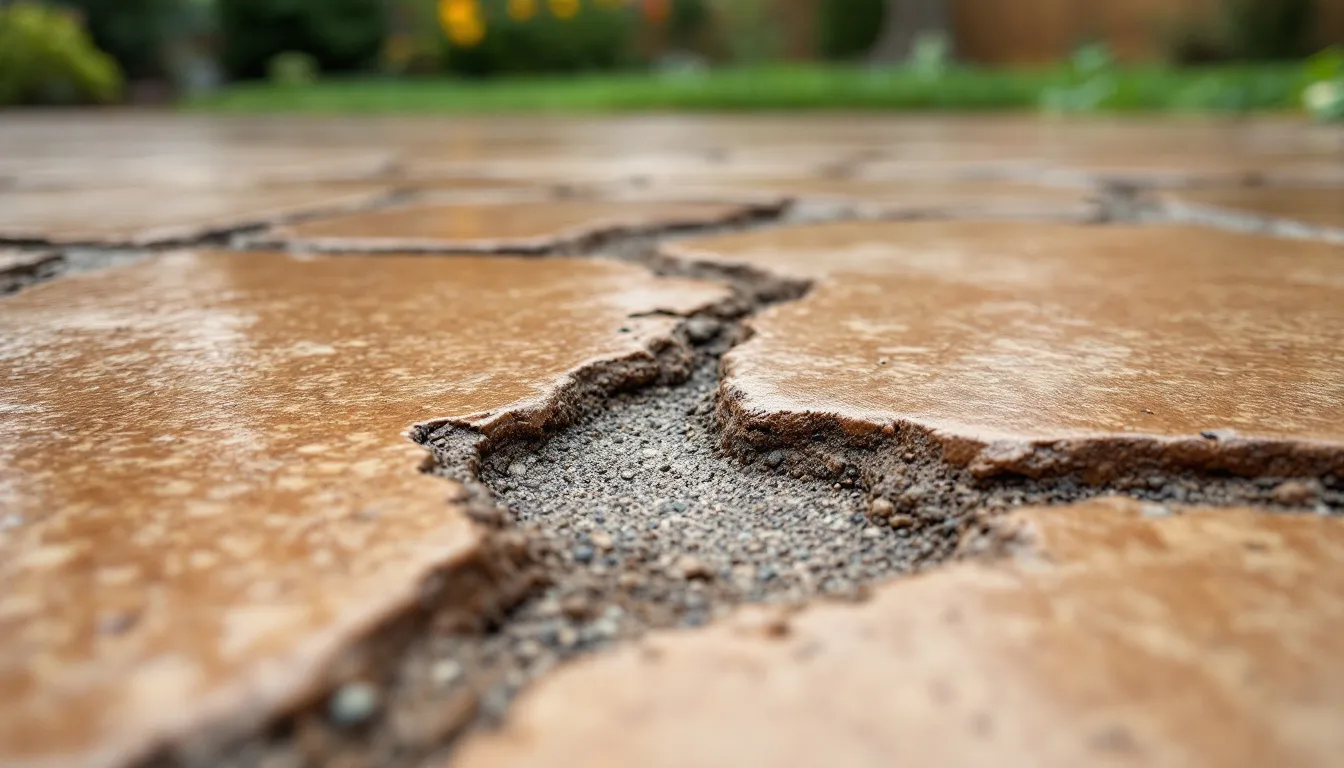
Spalling means the top layer of the concrete surface is breaking away in flat chips or flakes. Asheville gets around 70 freeze-thaw cycles per year, and each time water in the concrete freezes it expands and shoves the surface outward. Stamped concrete is especially vulnerable because the stamping tool compresses the surface and any weak spot becomes a place where that freeze-thaw pressure breaks the top off.
Asheville Stamped Concrete Pros helps Asheville, NC homeowners fix stamped concrete surface spalling — call for a free inspection.
Quick Answer
Spalling is when the top surface of stamped concrete flakes off in thin chips, taking the stamped pattern with it. In Asheville, freeze-thaw cycles do most of this damage because water gets into the surface, freezes, and pushes the top layer off from underneath. Surface repairs can patch small areas, but widespread spalling usually means resurfacing the whole slab. The sooner it is addressed, the less concrete you lose.
Telltale Signs
Warning Signs to Watch For
- Flat chips or flakes coming off the surface
- The stamped texture is becoming rough and uneven
- Exposed aggregate visible where the surface has broken away
- Pitting in the areas between the stamped pattern lines
- Loose concrete debris on top of the slab after winter
Root Causes
What Causes Stamped Concrete Surface Spalling?
Freeze-Thaw Cycling
Water gets into small pores in the concrete surface and when temperatures drop below 32 degrees it expands about 9 percent in volume. In Asheville, where hard freezes happen from November through March most years, that expansion happens repeatedly until it pops the surface layer off.
The Fix
Concrete Resurfacing with Micro-Topping
Loose material is ground and vacuumed off, a bonding agent is applied, and a polymer-modified concrete overlay is troweled over the damaged area. The overlay bonds tightly to the old slab and can be re-stamped or textured to match the original.
Deicing Salt Damage
Rock salt and calcium chloride products used on driveways in Arden and other suburban Asheville areas during winter storms pull water into the concrete faster than it can drain. That extra water dramatically increases the freeze-thaw damage and breaks the surface off much faster than freezing alone would.
The Fix
Surface Preparation and Penetrating Sealer
Damaged areas are ground back to sound concrete and patched, then a penetrating silane-siloxane sealer is applied to reduce how much water the slab absorbs in future winters. Switching to sand or kitty litter for traction instead of salt slows future damage.
Self-Diagnosis
Which Cause Applies to You?
Check the signs you're observing to narrow down the likely root cause before your inspection.
| What You're Seeing | Freeze-Thaw Cycling | Deicing Salt Damage |
|---|---|---|
| Spalling is worst on the section that stays wet longest after rain | ||
| Damage is concentrated near the edges where salt is usually applied | ||
| Spalling gets noticeably worse each spring after winter | ||
| Surface was in good shape until salt was used on it for the first time | ||
| Chips are thin and flat, less than a quarter inch thick |
Free Quote
Get a free quote in Asheville
No obligation — tell us what's going on and we'll text you back shortly.
Other Problems
Services That Fix This
Stamped Concrete Surface Spalling Near You
Also Helpful